
What the Difference Between Sleep Apnea and Insomnia
Introduction
Sleep apnea and insomnia are among the most prevalent sleep disorders, yet their origins, symptoms, and solutions are distinct. Recognizing the difference between these conditions is essential to restoring energy, mood, and long-term well-being. This guide explores how Apnea Oral Solutions PLLC helps Austin residents accurately identify the source of their sleep challenges and achieve lasting relief.
Unraveling the Night Sleep Apnea and Insomnia Defined
If you start most days feeling unrefreshed, you may be dealing with either sleep apnea or insomnia. Both conditions disrupt sleep but in fundamentally different ways. Obstructive sleep apnea (OSA) involves repeated airway blockages during sleep, resulting in breathing pauses and frequent awakenings. Each episode deprives the body of oxygen and triggers a stress response, sometimes hundreds of times a night. Insomnia, on the other hand, is marked by difficulty falling asleep, staying asleep, or waking too early, even when you have time to rest. While sleep apnea physically interrupts breathing, insomnia is rooted in the mind’s inability to relax and achieve sleep.
This difference is crucial. More than 30 million Americans are affected by OSA, with up to 90 percent undiagnosed. Chronic insomnia impacts about 10 percent of adults worldwide. Both conditions are more common after age 30. OSA is more frequently diagnosed in men, while insomnia slightly favors women. Because symptoms such as fatigue, mood changes, and poor concentration overlap, many people confuse the two, delaying effective care. An accurate diagnosis is vital for targeted sleep apnea treatment or insomnia treatment, protecting your sleep health and daily function.
The Silent Struggles Recognizing Symptoms and Root Causes
Though sleep apnea and insomnia can both result in daytime sleepiness, irritability, and cognitive difficulties, their nighttime features differ. OSA often presents with loud snoring, sudden awakenings with gasping or choking, observed pauses in breathing, morning dry mouth, and restless sleep. Insomnia manifests as trouble falling asleep, frequent awakenings, waking too early, and persistent worry in bed.
Sleep apnea is usually caused by anatomical factors, such as an enlarged tongue, recessed jaw, or excess neck tissue that narrows the airway when lying down. Insomnia is typically triggered by chronic stress, anxiety, irregular schedules, caffeine, certain medications, or chronic pain.
Because symptoms can overlap, only a professional evaluation can accurately distinguish between sleep apnea and insomnia. At Apnea Oral Solutions PLLC, screening questionnaires and digital airway scans are used to assess risk factors for airway obstruction. If another sleep disorder is suspected, collaboration with local physicians ensures a comprehensive diagnosis and individualized care plan.
Diagnosis Demystified Modern Approaches in Austin TX
Traditional diagnosis for sleep disorders often required overnight lab studies, which could be inconvenient and uncomfortable. Technological advances now make the process more accessible.
– Initial consultation with a sleep specialist or dental sleep medicine provider.
– Home sleep testing to measure oxygen saturation, airflow, heart rate, and snoring patterns.
– For insomnia, tools like sleep diaries, actigraphy watches, and sometimes polysomnography reveal sleep patterns and rule out co-existing OSA.
Apnea Oral Solutions PLLC streamlines this process. Digital impression scanners measure airway structure quickly, and collaboration with board-certified physicians ensures rapid interpretation of home test data. This patient-centered approach clarifies whether you have OSA, primary insomnia, or both, without unnecessary delays. Austin residents benefit from a streamlined process, avoiding traffic and discomfort while receiving prompt, actionable results and a customized sleep apnea treatment plan.
Beyond the CPAP Breakthrough Treatments and Oral Appliance Therapy
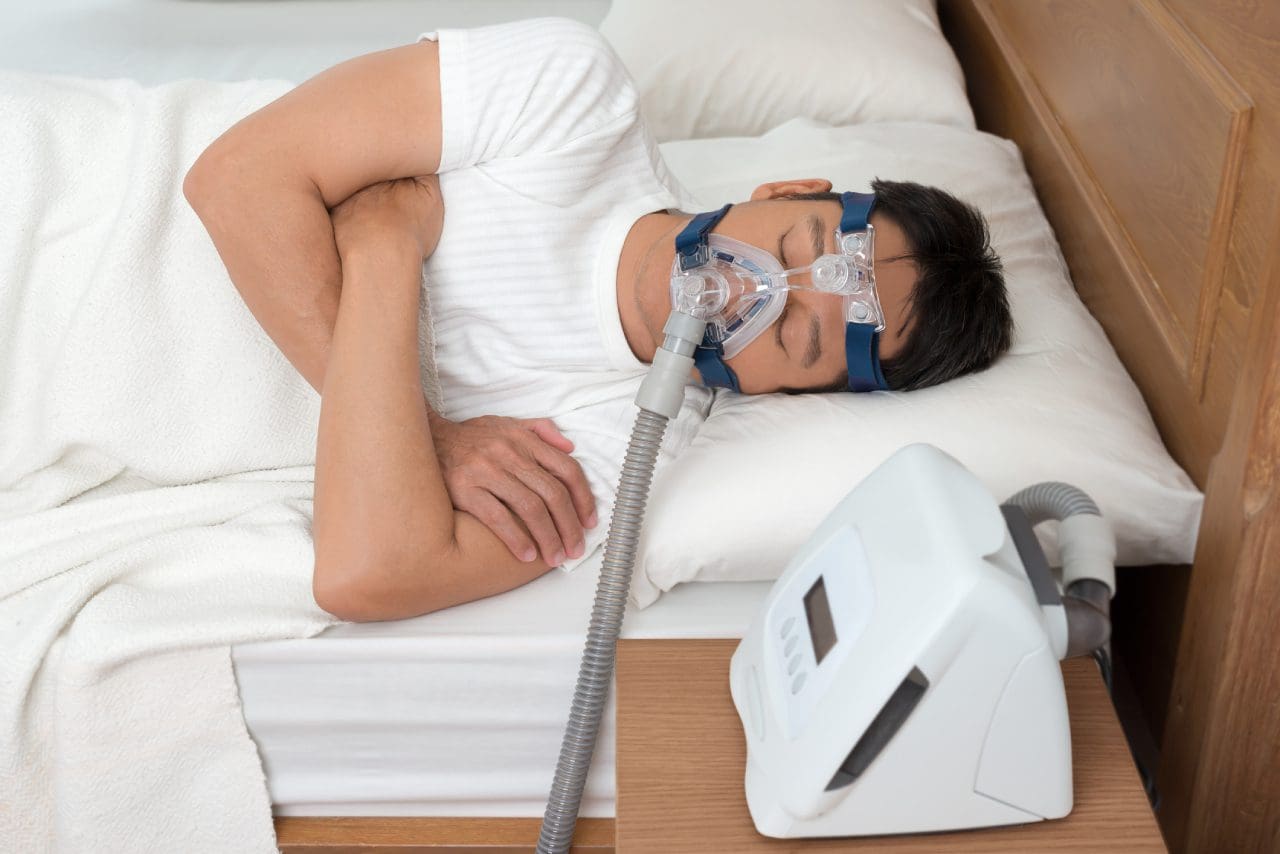
While CPAP therapy is effective for many, some adults find the mask, hoses, and noise disruptive. Custom oral appliance therapy offers a CPAP alternative that is small, quiet, and easy to use. These devices, resembling slim mouthguards, gently reposition the lower jaw to keep the airway open during sleep.
A comparison of available treatment options:
Treatment
How It Works
Ideal For
Comfort and Portability
Support at Apnea Oral Solutions
CPAP
Pumps pressurized air through a mask
Moderate–severe OSA, high BMI
Bulky, often loud
CPAP coaching available
Oral Appliance
Repositions jaw/tongue to prevent collapse
Mild–moderate OSA, CPAP-intolerant snorers
Small, silent, travel-friendly
Digital design, warranty, free adjustments
Behavioral (CBT-I)
Resets sleep habits and thoughts
Chronic insomnia
Non-invasive
Referral network for therapists
Medication
Sedative or hypnotic drugs
Short-term insomnia relief
Possible side effects
Physician coordination
Why Our Devices Stand Out
– 3-D scans provide precise digital impressions, eliminating messy molds.
– Medical-grade, BPA-free materials with a multi-year warranty withstand nightly use and local climate.
– Locally fabricated appliances support the Central Texas economy and enable quick turnaround, often within two weeks.
– Personalized fitting and bite calibration ensure optimal airway opening and comfort.
– Ongoing follow-ups, in-office or via telehealth, monitor device effectiveness and durability.
Boosting Success at Home
– Wear the appliance nightly for the entire sleep period.
– Clean the device daily and deep clean weekly.
– Bring the appliance to dental visits for fit assessment.
– Incorporate healthy sleep habits for enhanced results.
Restoring Rest Tips for Lasting Sleep Health and Local Support
Therapy is most effective when combined with supportive lifestyle habits. To improve sleep quality and manage both sleep apnea and insomnia, consider these strategies:
– Maintain consistent bed and wake times, including weekends.
– Optimize your bedroom environment with cool temperatures and blackout curtains for Austin’s bright mornings.
– Limit exposure to screens and bright lights an hour before bed, using night-shift settings when necessary.
– Exercise earlier in the day to avoid late-night cortisol spikes.
– Practice stress management through mindfulness apps or local yoga studios.
– Avoid alcohol and heavy meals after 7 p.m., as they can worsen airway inflammation and snoring.
Sleep health requires ongoing attention. At Apnea Oral Solutions PLLC, follow-up visits are scheduled at regular intervals to ensure device fit, review progress, and celebrate improvements. The team’s understanding of Austin’s unique lifestyle—from allergy seasons to the city’s vibrant nightlife—enables tailored support that keeps Central Texans energized and well-rested.
Key Takeaways for Your Nightly Routine
Address both airway and behavioral causes for comprehensive results.
– An accurate diagnosis leads to the best mix of oral appliance therapy and insomnia treatment.
– Consistent follow-up adapts your therapy to your changing needs and goals.
Brighter Nights Ahead Your Path to Restful Sleep
Sleep apnea and insomnia can both leave you feeling drained, but their origins and solutions differ. OSA arises from physical airway blockages, while insomnia is typically linked to stress or mental barriers to sleep. Understanding where you fall on the sleep apnea vs insomnia spectrum empowers you to seek the right care.
Apnea Oral Solutions PLLC offers advanced diagnostics, personalized oral appliances, and strong partnerships with local medical providers. Whether you require reliable sleep apnea treatment Austin TX residents trust or referrals for insomnia treatment, the goal is to help you reclaim your energy and thrive in Central Texas.
For a better night’s sleep, connect with a sleep specialist Austin counts on. Start your journey to refreshed mornings and improved health—visit our Sleep Disorders page today.
References
Sleep Apnea vs. Insomnia
Sleep Apnea Statistics 2025
Sleep Apnea Oral Appliances Market
Insomnia Therapeutics Market Size
Number of People with OSA Is Expected to Dramatically Increase